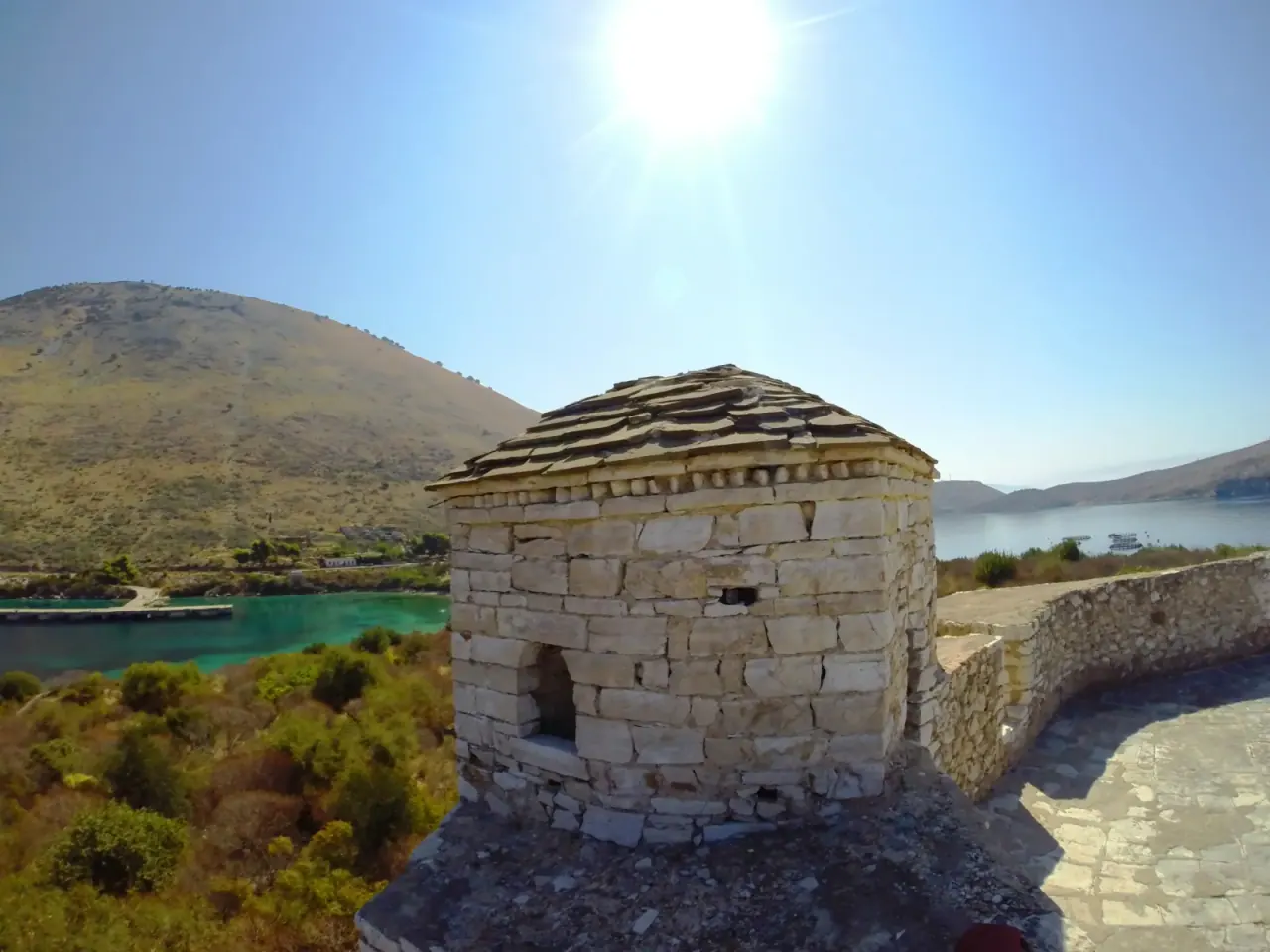
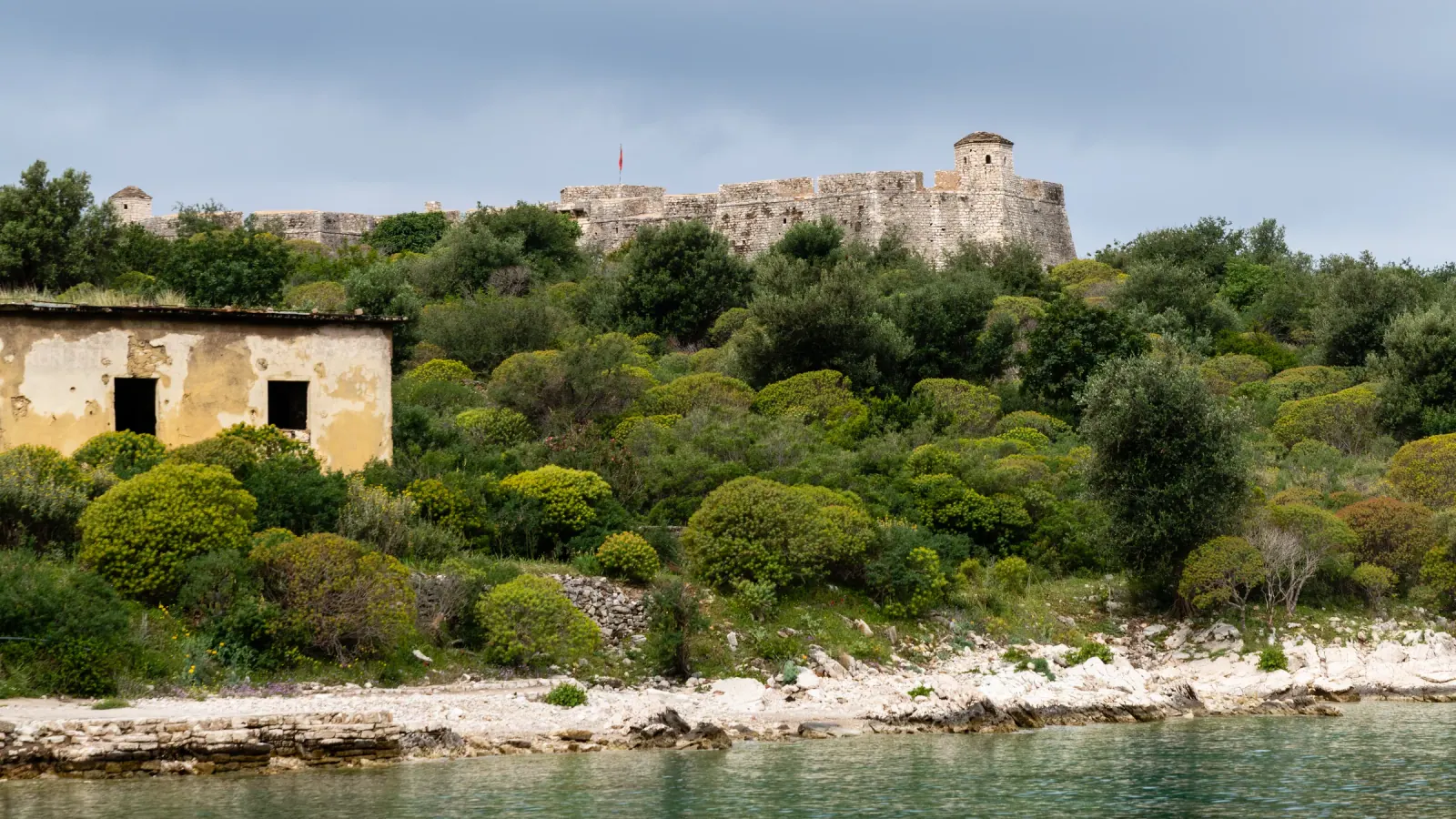
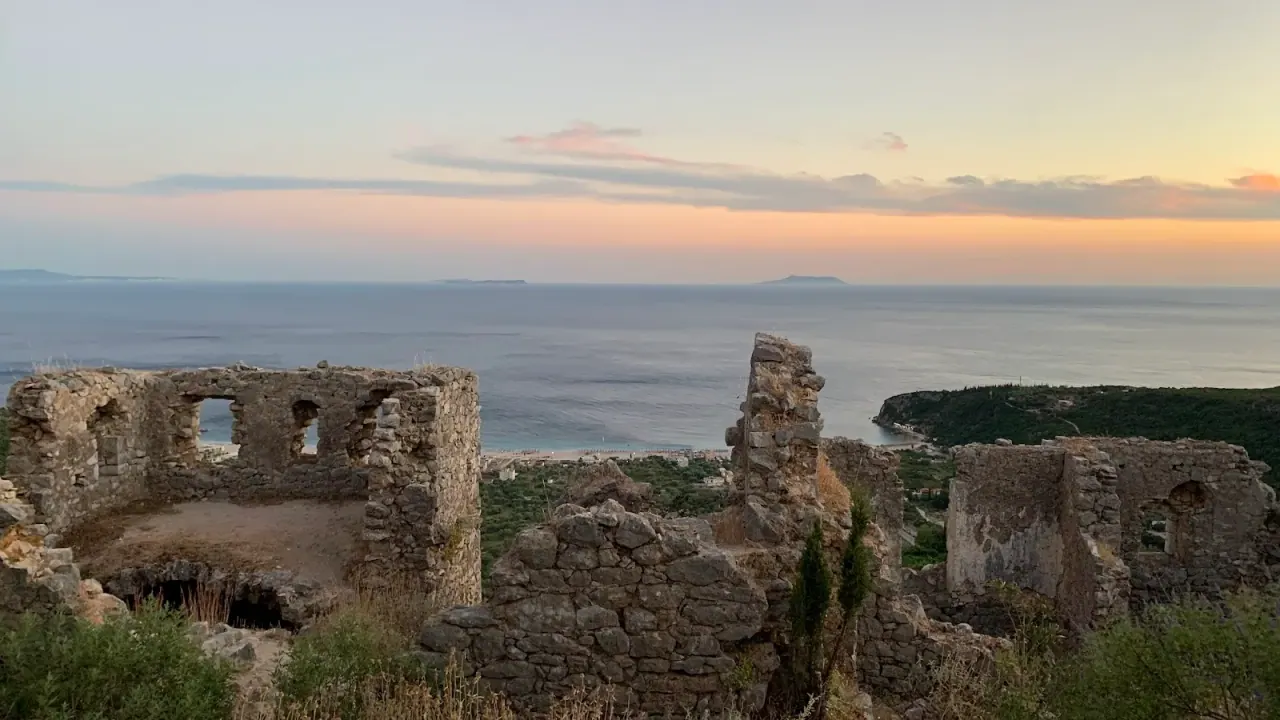
Porto Palermo Castle on its peninsula overlooking the Ionian Sea — one of many landmarks near Himara

Landmarks

8 castles, monasteries, and historic sites within easy reach of Himara — from 5th-century BC fortifications to Cold War submarine tunnels.

Monasteries & Churches

Byzantine churches and hilltop monasteries that outlasted the Ottoman period and the communist suppression of religion.

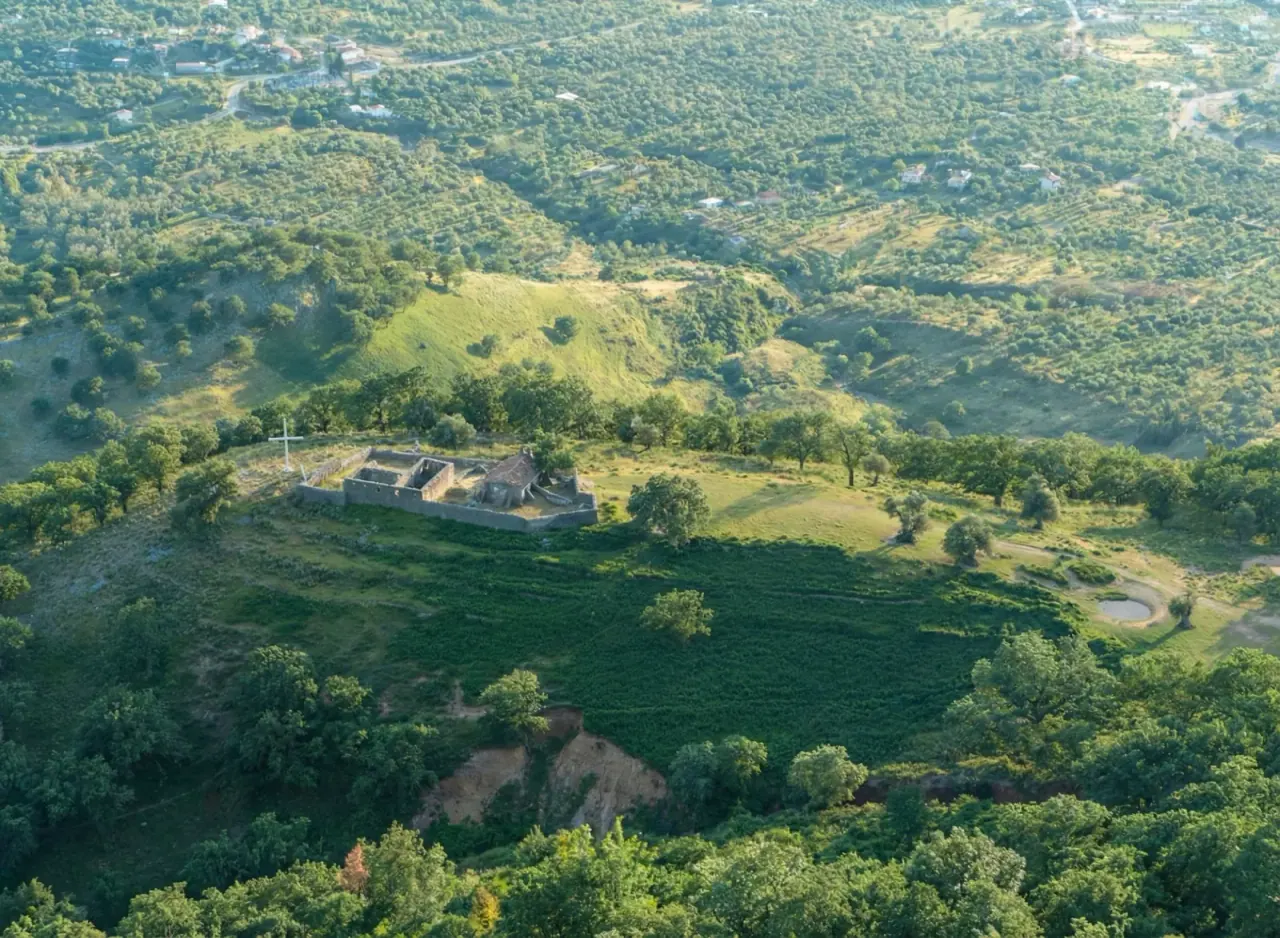
Hilltop above Dhermi where Saint Theodore Monastery overlooks the Ionian coast
14th century (built on ancient Temple of Zeus ruins)

Saint Theodore Monastery

Saint Theodore Monastery (Albanian: Manastiri i Shën Theodhorit, Greek: Μονή Αγίου Θεοδώρου) sits on a hilltop between Dhermi and Gjipe Beach — one of the most historically layered sites on the Albanian Riviera. Built on the ruins of an ancient temple to Zeus, converted into an Orthodox monastery in the 14th century, repurposed as a Soviet navy holiday resort in the 1950s, then an Albanian military post until the late 1980s, and now under restoration. This single hilltop tells the entire story of Albania in compressed form.

~15 km north on SH8 (20 min drive)·1.5–2 hours including the walk up from the parking
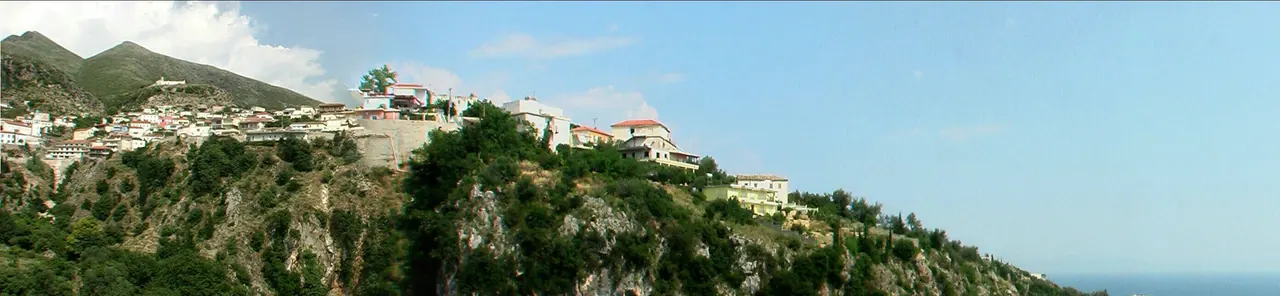
Panoramic view of Himara and the surrounding mountains where Athali Monastery is located
18th century

Athali Monastery

Athali Monastery (Albanian: Manastiri i Athalit, Greek: Μονή Αθαλιού) sits high on Athali Mountain above Himara — a remote 18th-century Byzantine-style pilgrimage site reached only by a 2-hour uphill hike. The monastery is small but significant: a continued site of Orthodox pilgrimage, associated with reports of miraculous healing, and built into one of the most panoramic positions on the Riviera. Most travellers never make the climb, which is exactly why it remains one of the most atmospheric landmarks in the area.

~10 km by trail from Spile Beach (2 hr hike)·3–4 hours round trip including the hike and time at the monastery
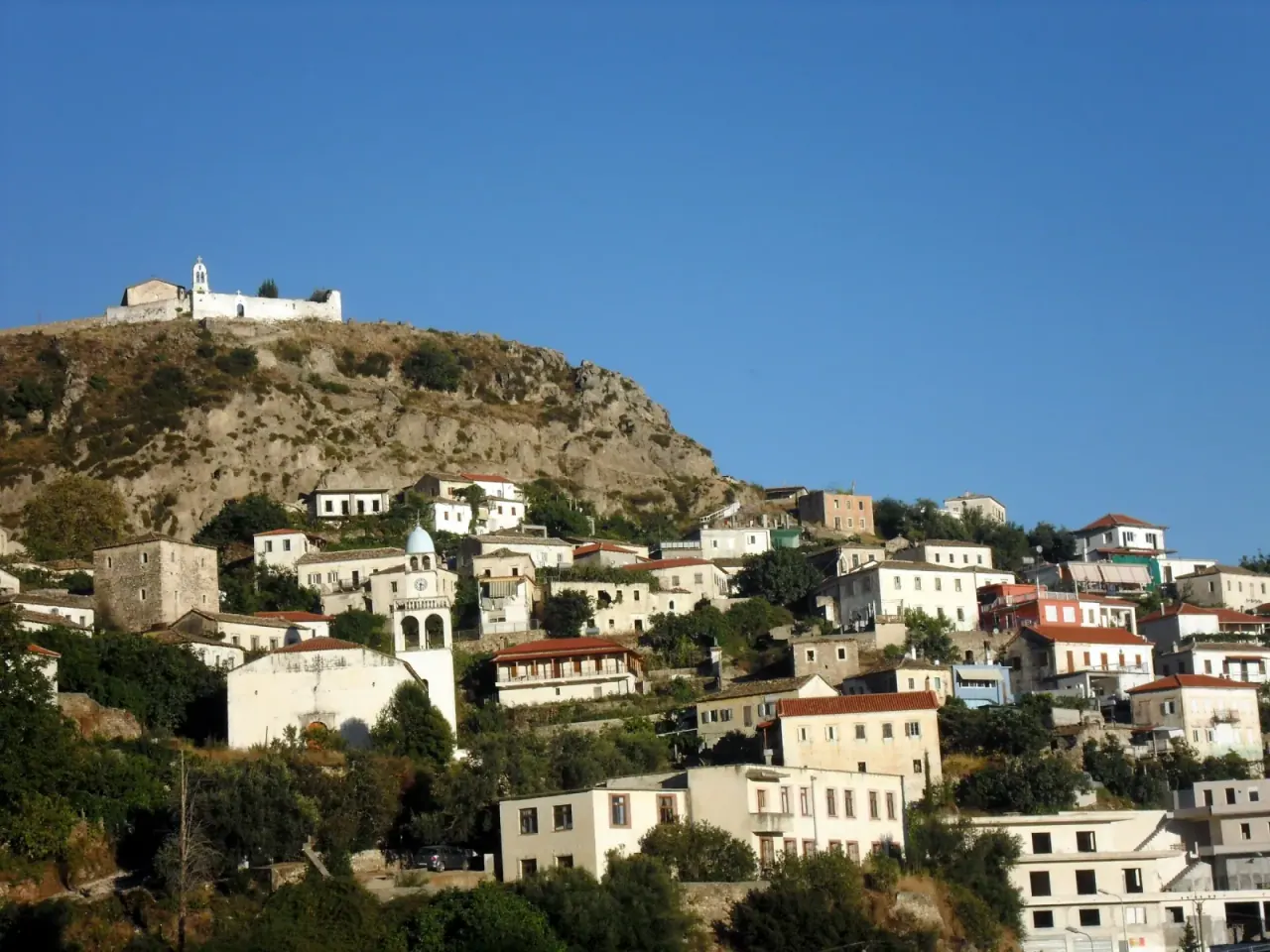
Dhermi village below and the hilltop where Panagia Drymadon monastery overlooks the Ionian coast
13th–14th century

Panagia Drymadon Monastery

Panagia Drymadon Monastery (Albanian: Manastiri i Shën Mërisë, Greek: Παναγία Δρυμάδων) — also called the Monastery of Saint Mary — sits on a hilltop at 257 m elevation above Dhermi village. Built in the 13th–14th century, it is a Cultural Monument of Albania and one of the best-preserved examples of Byzantine-era religious architecture on the Albanian Riviera. The monastery operated continuously for over 600 years — through Byzantine decline, Ottoman rule, and Italian occupation — until 1967, when the communist regime forced the last nun to leave.

~15 km north on SH8 (20 min drive + 15 min walk)·45 minutes – 1 hour

Himara Landmarks FAQs

What historic sites can you visit around Himara?

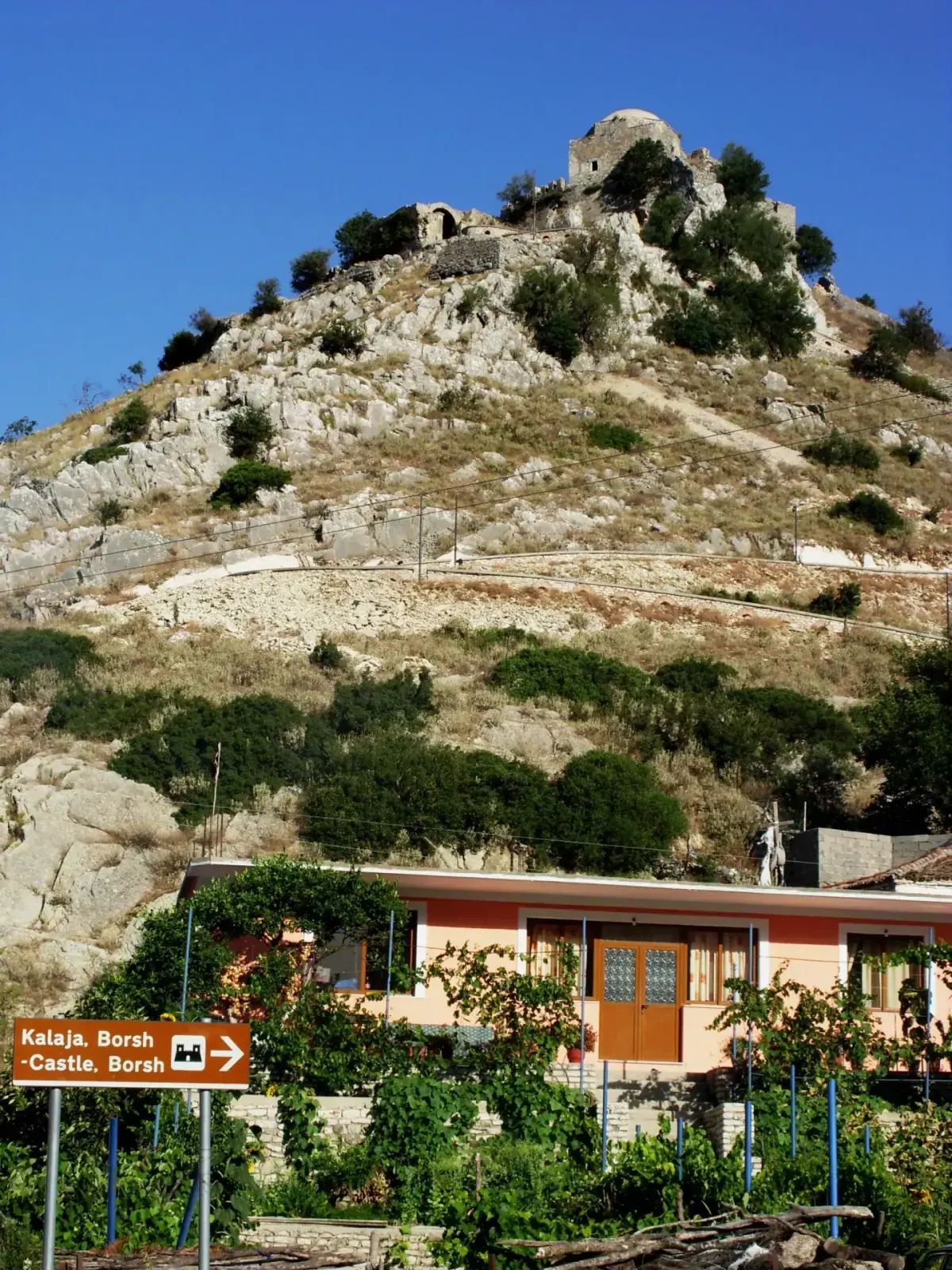
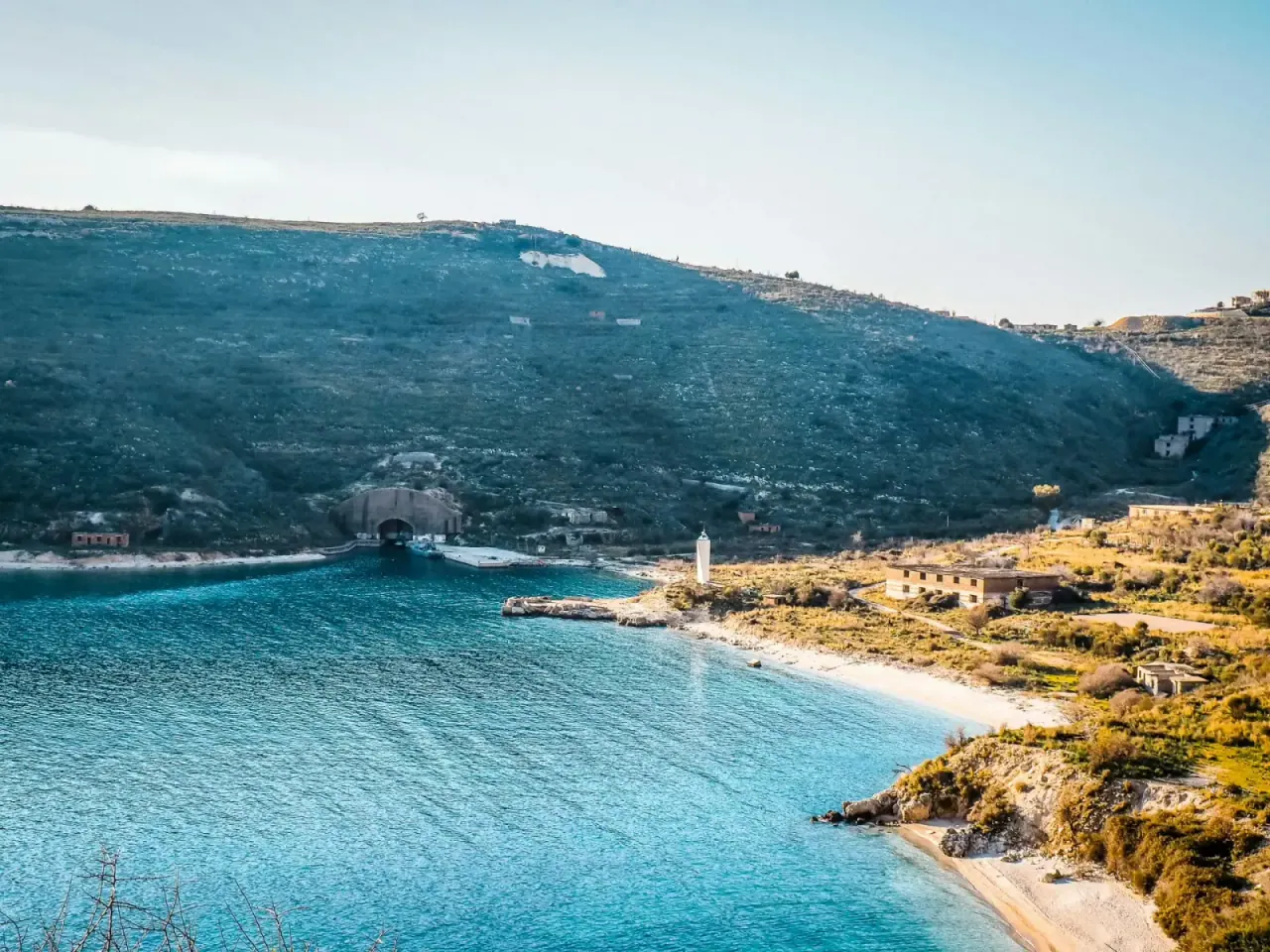
The headline is the hilltop Himara Castle and its old town, fortified and lived in since around the 5th century BC. South along the coast are Porto Palermo Castle — the Ali Pasha fortress on its own peninsula (c. 1804) — and Borsh Castle, plus the Cold-War Porto Palermo submarine tunnel. North and inland sit Orthodox monasteries: Saint Theodore, Athali and Panagia Drymadon.

Do the castles and monasteries charge admission?

Most are free, including Himara Castle's old town, Borsh Castle and the monasteries. The main exception is Porto Palermo Castle, which charges about 300 ALL (~€3), payable in Albanian lek only — so bring cash. A couple of sites add a small parking fee of around 200–300 ALL.

How old is Himara Castle?

Very old. The hilltop site has been fortified since roughly the 5th century BC, with later Byzantine and Ottoman layers, and parts of the old town inside the walls are still lived in today. It's a 15–20 minute walk uphill from the seafront promenade.

How do you reach the sites outside town?

Most are a short drive on the SH8 coast road: Porto Palermo's castle and submarine tunnel are about 10 km south (15–20 min), Borsh Castle roughly 20 km south, and the Saint Theodore and Panagia Drymadon monasteries about 15 km north. Athali Monastery is the exception — it's a roughly two-hour hike inland from Spile Beach.

What is the Porto Palermo submarine tunnel?

A Cold-War naval base built between 1969 and 1988, when Albania's military hid submarines in a tunnel carved into the headland at Porto Palermo. You can see it for free from the road or from a boat tour; going inside is restricted.

Planning Your Sightseeing Days?

Combine landmarks with nearby beaches, boat tours, and the restaurants that make the Albanian Riviera worth lingering in.